

Collections

ERA 4: Expansion and Reform (1801-1861)

ERA 5: Civil War and Reconstruction (1850-1877), ERA 10: Contemporary United States (1968 to the present)

ERA 8: The Great Depression and World War II (1929–1945)

ERA 7: The Emergence of Modern America (1890–1930)

ERA 6: The Development of the Industrial United States (1870-1900)

ERA 5: Civil War and Reconstruction (1850-1877), ERA 6: The Development of the Industrial United States (1870-1900)

ERA 4: Expansion and Reform (1801-1861), ERA 10: Contemporary United States (1968 to the present)

ERA 7: The Emergence of Modern America (1890–1930), ERA 8: The Great Depression and World War II (1929–1945), Multiple Eras
Historical Documents

ERA 4: Expansion and Reform (1801-1861), ERA 10: Contemporary United States (1968 to the present)
ERA 4: Expansion and Reform (1801-1861), ERA 6: The Development of the Industrial United States (1870-1900)
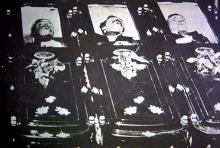
ERA 5: Civil War and Reconstruction (1850-1877)
ERA 10: Contemporary United States (1968 to the present)

ERA 9: Postwar United States (1945 to early 1970's), ERA 10: Contemporary United States (1968 to the present)
ERA 10: Contemporary United States (1968 to the present)

ERA 9: Postwar United States (1945 to early 1970's)
ERA 9: Postwar United States (1945 to early 1970's)
ERA 10: Contemporary United States (1968 to the present)

ERA 10: Contemporary United States (1968 to the present)
ERA 4: Expansion and Reform (1801-1861), ERA 6: The Development of the Industrial United States (1870-1900)

ERA 3: Revolution and the New Nation (1754–1820s), ERA 4: Expansion and Reform (1801-1861), ERA 5: Civil War and Reconstruction (1850-1877), ERA 6: The Development of the Industrial United States (1870-1900)

ERA 8: The Great Depression and World War II (1929–1945)

ERA 7: The Emergence of Modern America (1890–1930)

ERA 10: Contemporary United States (1968 to the present)
ERA 6: The Development of the Industrial United States (1870-1900), ERA 7: The Emergence of Modern America (1890–1930), ERA 8: The Great Depression and World War II (1929–1945), ERA 9: Postwar United States (1945 to early 1970's), ERA 10: Contemporary United States (1968 to the present), Multiple Eras
ERA 4: Expansion and Reform (1801-1861)

ERA 10: Contemporary United States (1968 to the present)
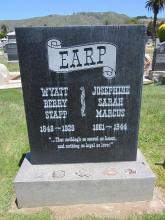
ERA 5: Civil War and Reconstruction (1850-1877)

ERA 5: Civil War and Reconstruction (1850-1877)

ERA 10: Contemporary United States (1968 to the present)

ERA 3: Revolution and the New Nation (1754–1820s), ERA 4: Expansion and Reform (1801-1861), ERA 5: Civil War and Reconstruction (1850-1877), ERA 6: The Development of the Industrial United States (1870-1900)

ERA 10: Contemporary United States (1968 to the present)
ERA 5: Civil War and Reconstruction (1850-1877)
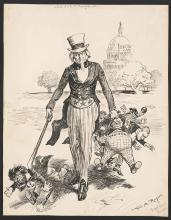
ERA 7: The Emergence of Modern America (1890–1930)

ERA 5: Civil War and Reconstruction (1850-1877)

ERA 4: Expansion and Reform (1801-1861)
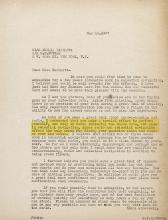
ERA 8: The Great Depression and World War II (1929–1945)
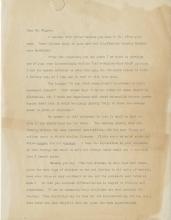
ERA 8: The Great Depression and World War II (1929–1945)

ERA 9: Postwar United States (1945 to early 1970's), ERA 10: Contemporary United States (1968 to the present)
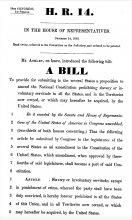
ERA 5: Civil War and Reconstruction (1850-1877)

ERA 9: Postwar United States (1945 to early 1970's)
Historical Images
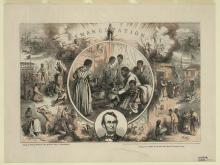
ERA 5: Civil War and Reconstruction (1850-1877)
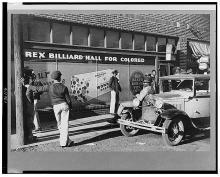
ERA 7: The Emergence of Modern America (1890–1930), ERA 8: The Great Depression and World War II (1929–1945), ERA 9: Postwar United States (1945 to early 1970's), ERA 10: Contemporary United States (1968 to the present), Multiple Eras
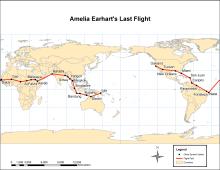
ERA 8: The Great Depression and World War II (1929–1945)
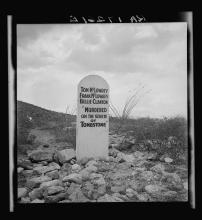
ERA 5: Civil War and Reconstruction (1850-1877)

ERA 7: The Emergence of Modern America (1890–1930), ERA 8: The Great Depression and World War II (1929–1945), ERA 9: Postwar United States (1945 to early 1970's), ERA 10: Contemporary United States (1968 to the present)

ERA 9: Postwar United States (1945 to early 1970's)

ERA 6: The Development of the Industrial United States (1870-1900), ERA 7: The Emergence of Modern America (1890–1930), ERA 8: The Great Depression and World War II (1929–1945), ERA 9: Postwar United States (1945 to early 1970's), ERA 10: Contemporary United States (1968 to the present), Multiple Eras

ERA 3: Revolution and the New Nation (1754–1820s), ERA 4: Expansion and Reform (1801-1861), ERA 5: Civil War and Reconstruction (1850-1877), ERA 6: The Development of the Industrial United States (1870-1900)

ERA 9: Postwar United States (1945 to early 1970's)
![Dodge City [Kans.] Peace Commissioners Camillus S. Fly, 1890](/sites/default/files/styles/medium/public/historical_images/2025-04/43-0540a.gif?itok=vmd0tMCw)
ERA 5: Civil War and Reconstruction (1850-1877)