Authors:
Historic Era: Era 9: Postwar United States (1945 to early 1970s)
Historic Theme:
Subject:
November/December 2026 | Volume 71, Issue 5


Authors:
Historic Era: Era 9: Postwar United States (1945 to early 1970s)
Historic Theme:
Subject:
November/December 2026 | Volume 71, Issue 5


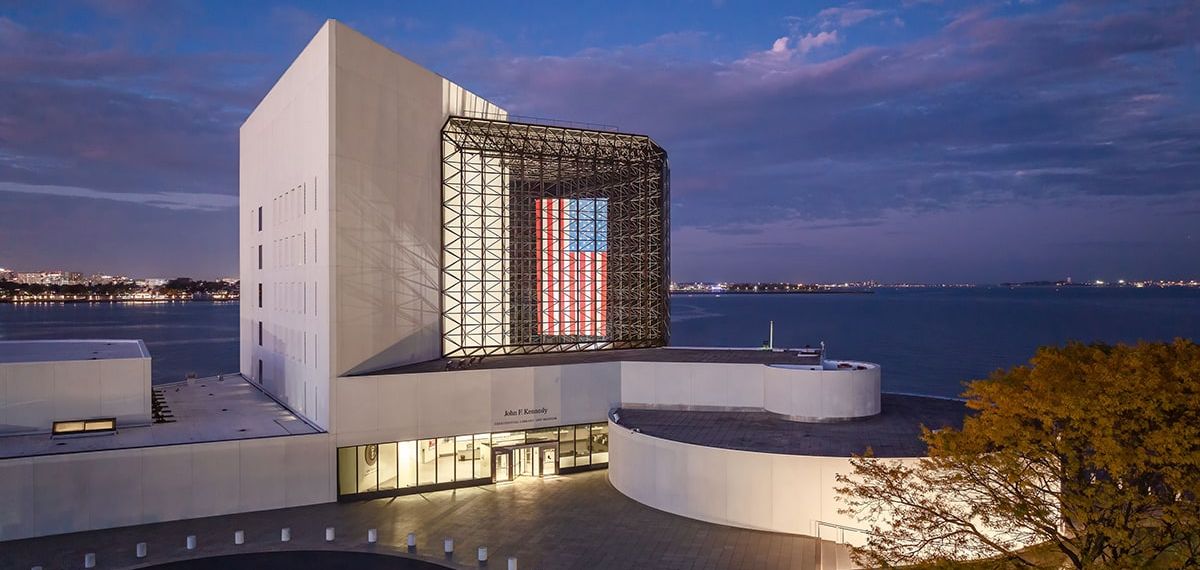
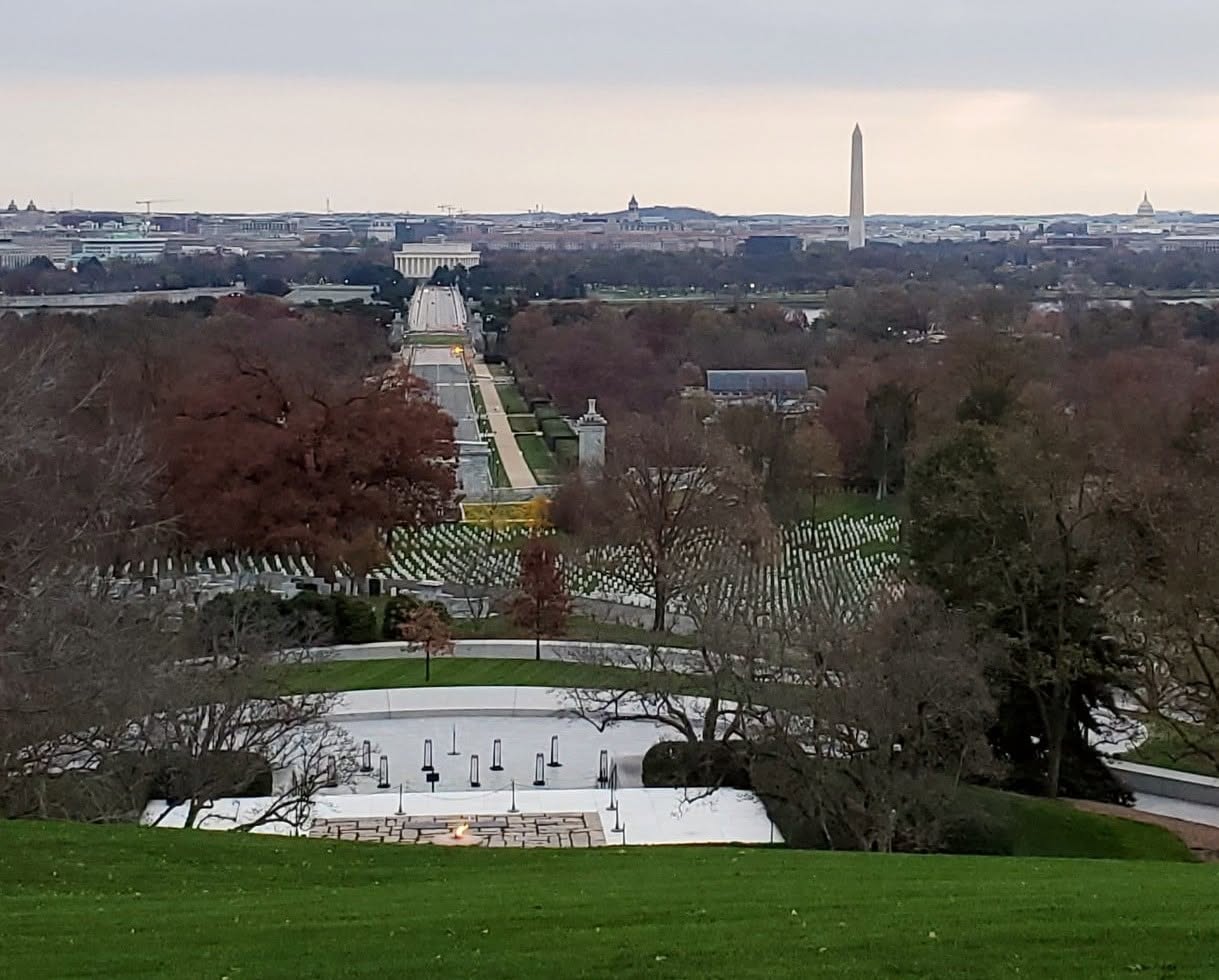
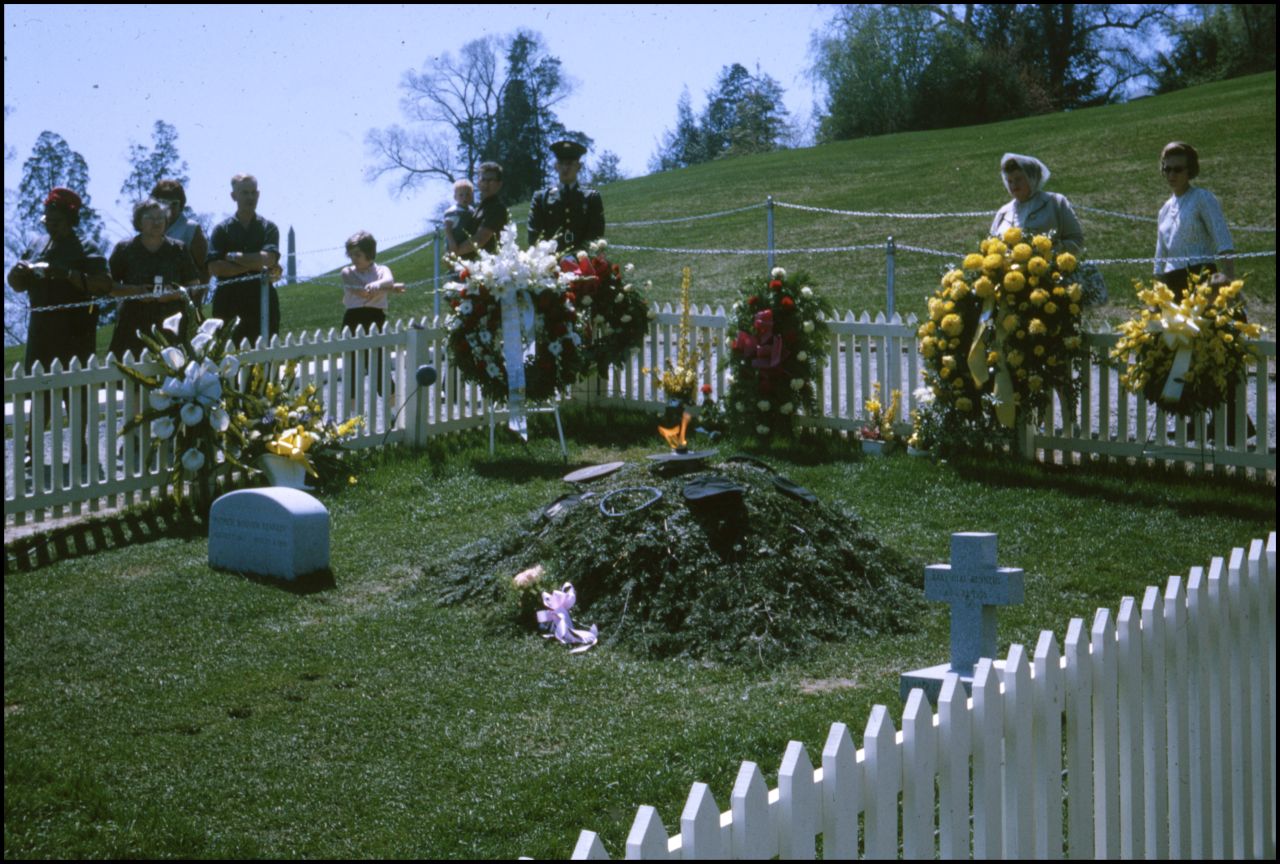
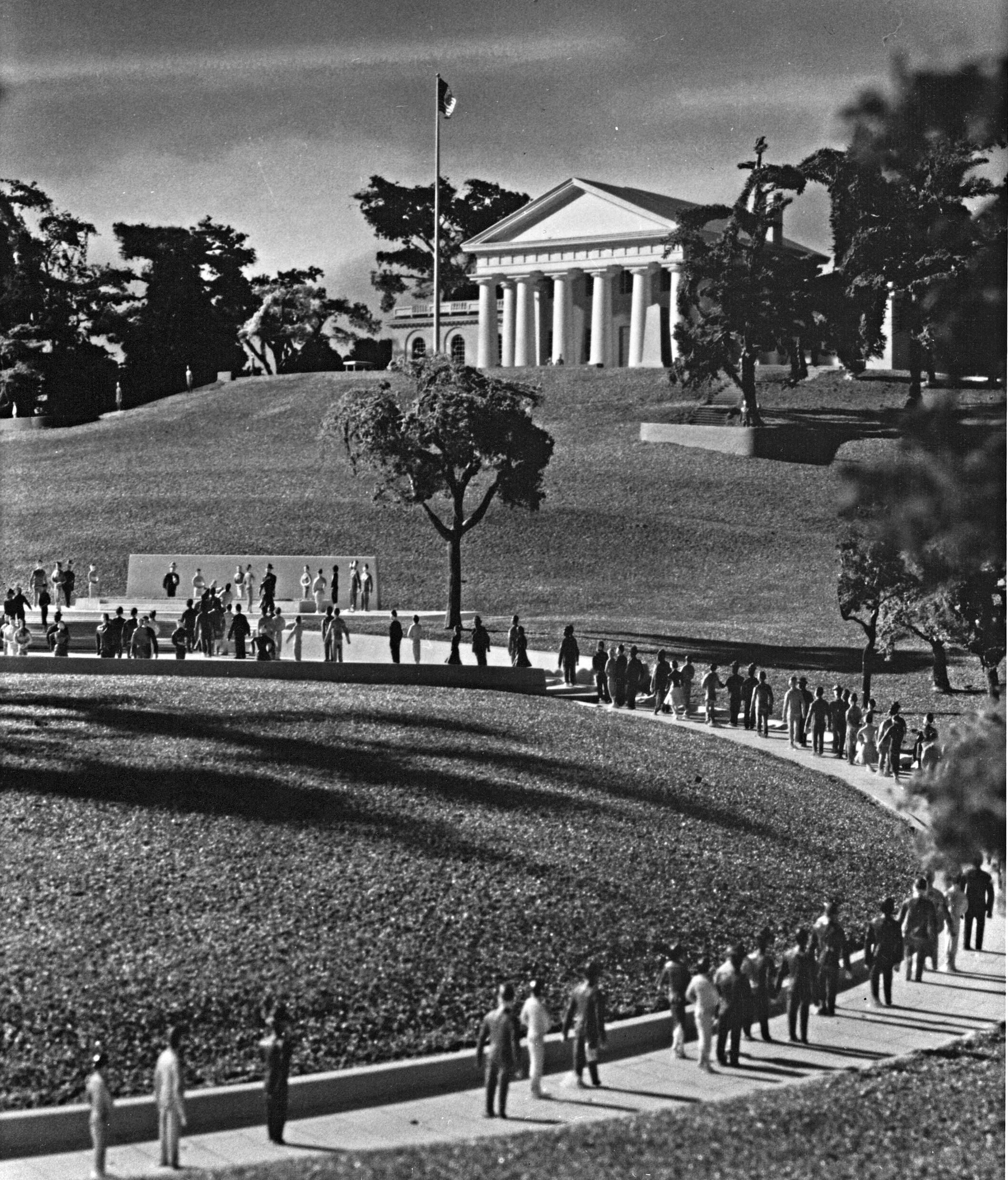
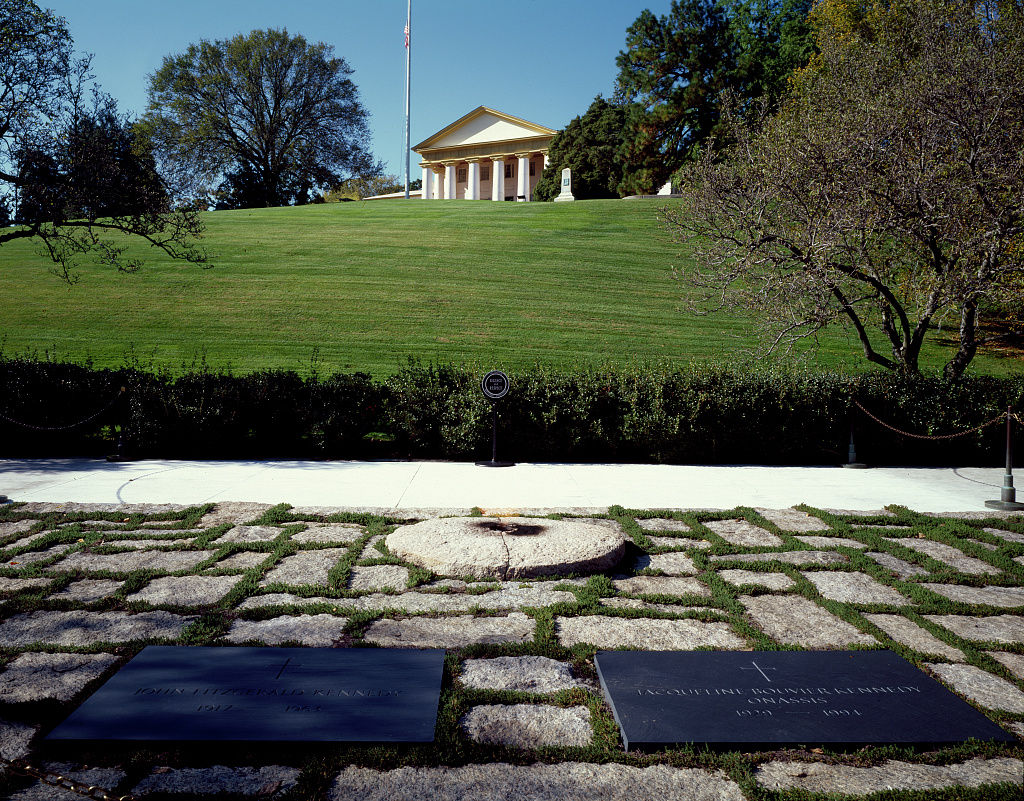
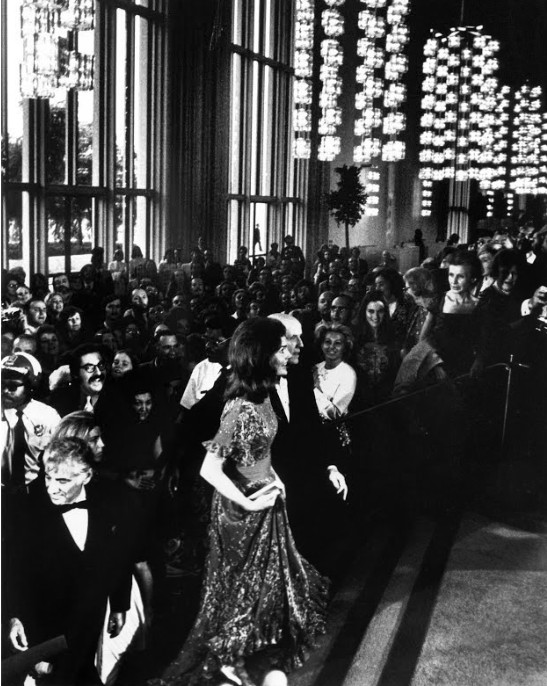
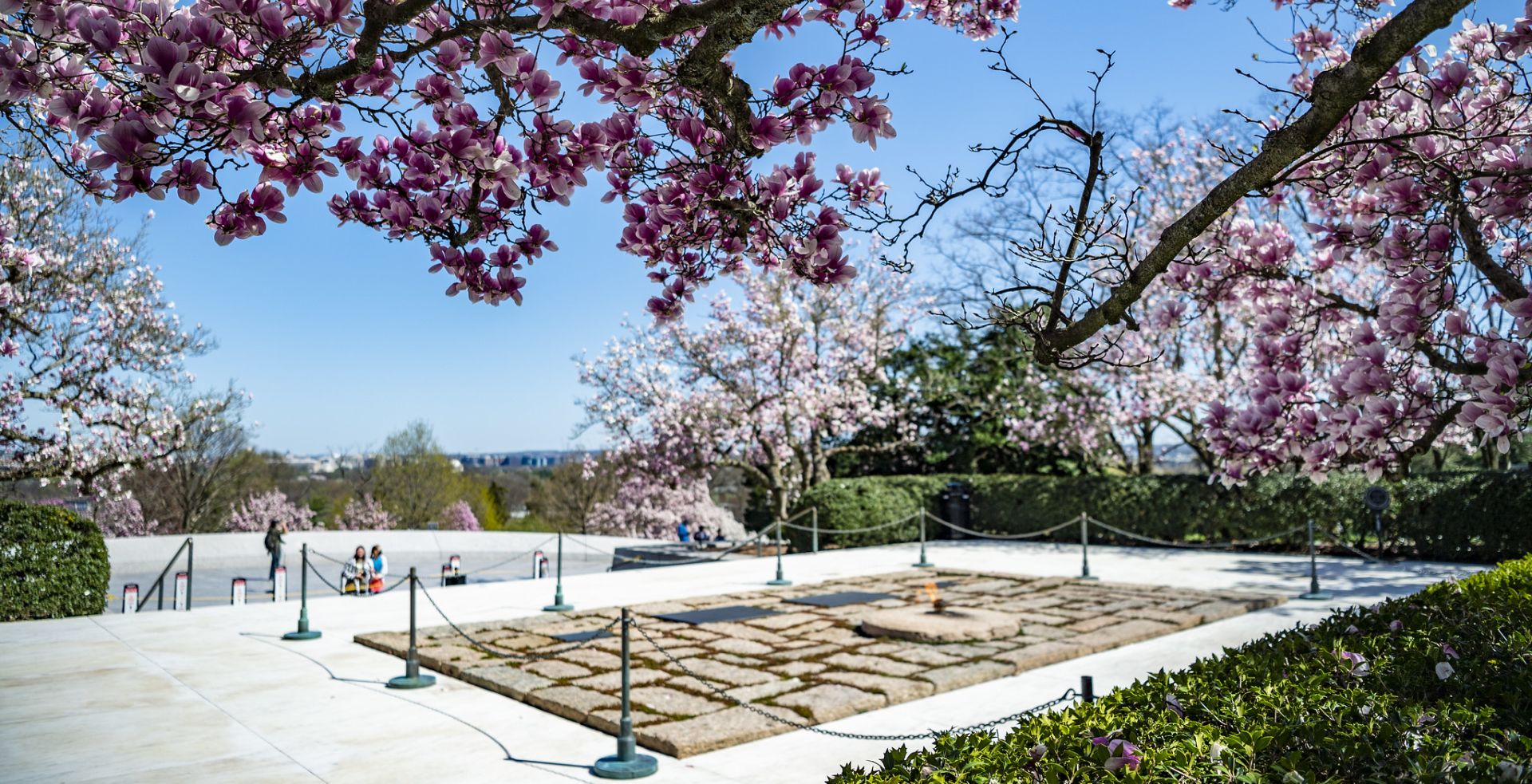
Jacqueline Kennedy worked diligently to preserve her husband's memory, from his gravesite at Arlington Cemetery to the Kennedy Center and JFK Library.
November/December 2026 | Volume 71, Issue 5
Editor’s Note: Barbara A. Perry is a professor at the University of Virginia's Miller Center, where she co-chairs the Presidential Oral History Program, and is the author of several books including Jacqueline Kennedy: First Lady of the New Frontier.
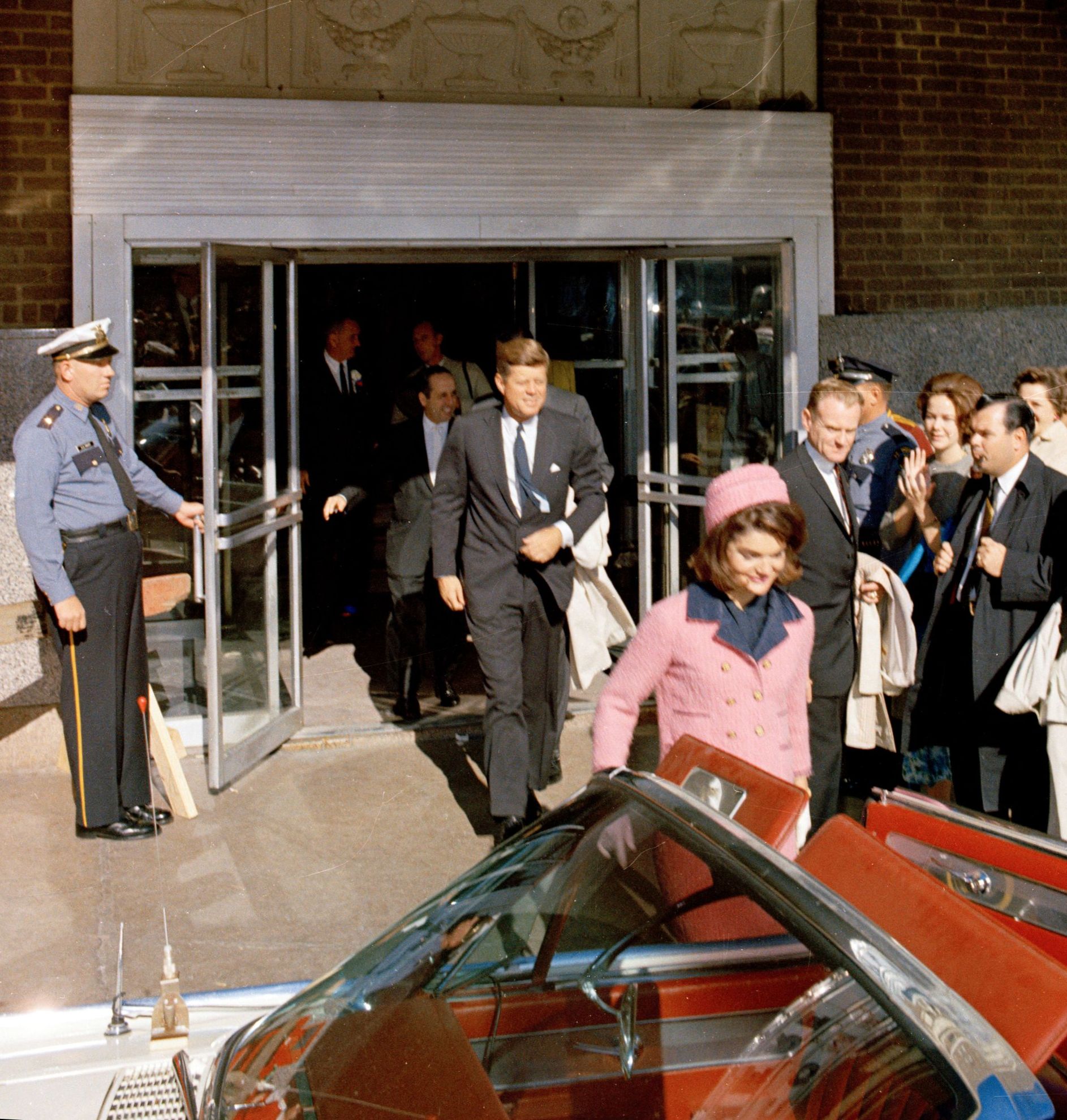
As First Lady Jacqueline Kennedy dressed in her pink Chanel suit at a Fort Worth, Texas hotel, on the morning of November 22, 1963, the furthest thought from her mind was that she would have to choose a burial site for her forty-six-year-old husband, President John F. (Jack) Kennedy, in the next twenty-four hours.
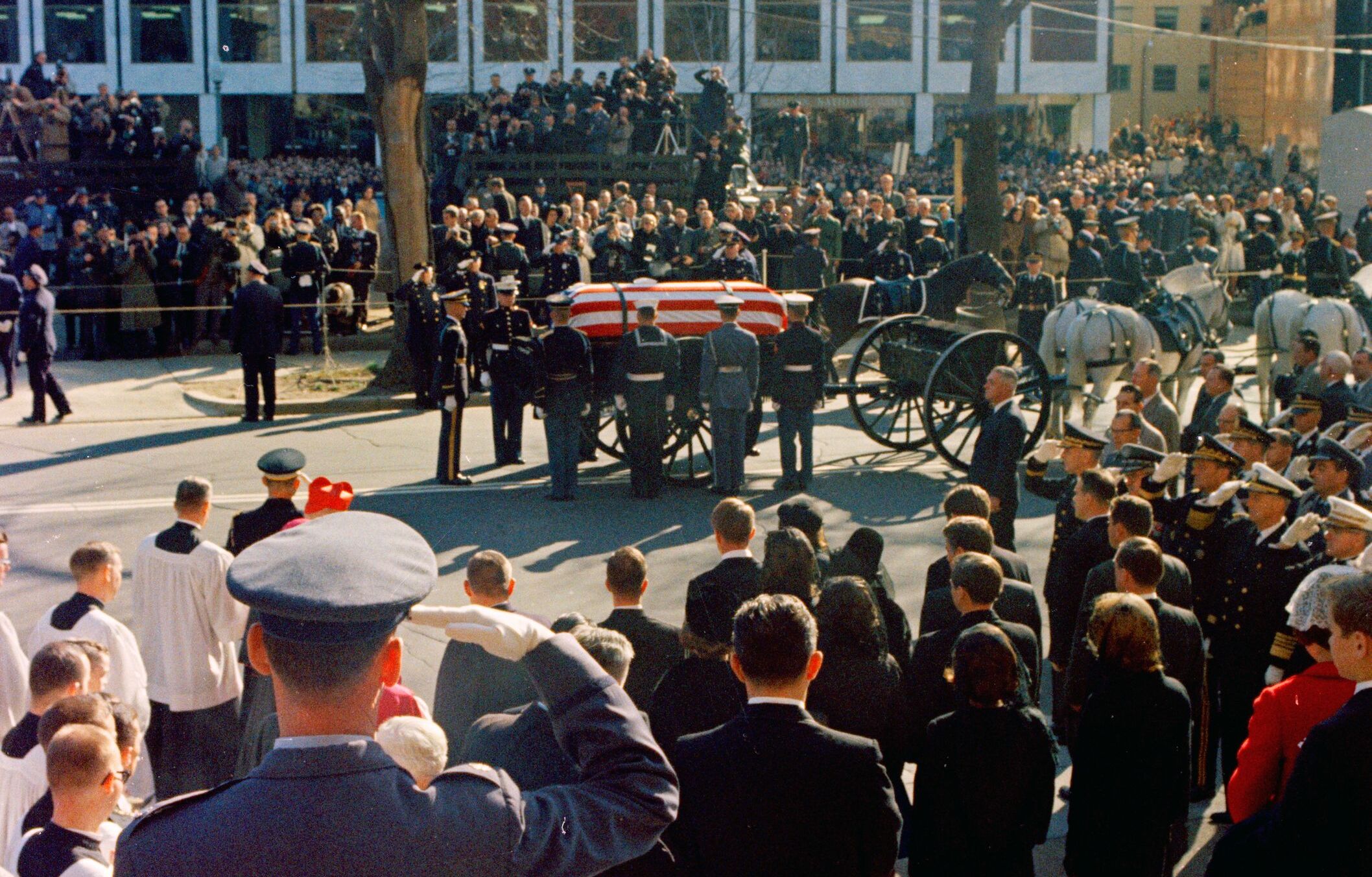
But just after 12:30 PM Dallas time, he would lie mortally wounded in her lap from an assassin’s bullet, her pink skirt streaked with his blood, and she would have to alert her brother-in-law, Attorney General Robert F. (Bobby) Kennedy, Sr., to find a final resting place for his brother.
A question immediately arose after JFK’s assassination. Should he be buried near his birthplace in Brookline, Massachusetts, at the Kennedy family plot in Holyhood Cemetery, where the president had buried their infant son Patrick just four months earlier? Bobby, his sisters, Eunice, Pat, and Jean, and the Irish-American team that had been with Jack since his 1946 campaign for Congress in Boston all wanted the slain president returned to his native state.
Only one president had been laid to rest in Washington, D.C. — Woodrow Wilson at the Episcopalian National Cathedral in 1924. One other chief executive, William Howard Taft, also a former chief justice of the United States, was interred in Arlington National Cemetery, just across the Potomac River from the nation’s capital. Others wished to rest for eternity at their beloved homes: Washington at Mount Vernon, Jefferson at Monticello, Jackson at the Hermitage, and FDR at Hyde Park, for example.
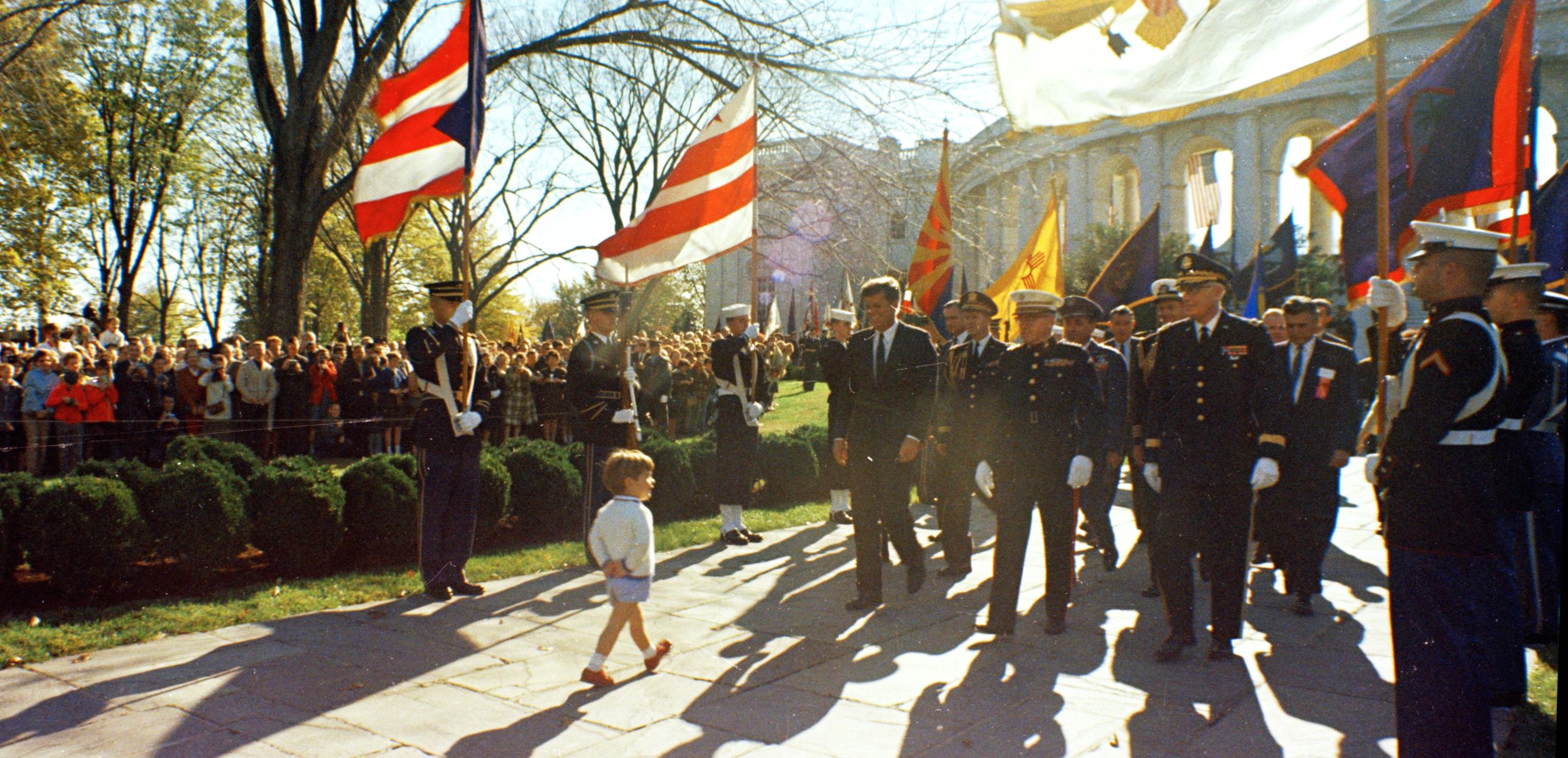
And where should JFK’s papers be preserved? Kennedy’s father owned posh houses in Palm Beach and on Cape Cod, but they were not nearly as expansive as the estates of previous presidents.
The tradition of modern presidential libraries started with Franklin Roosevelt at Hyde Park in 1940. Presidents who would follow JFK in death (Hoover, Truman, Eisenhower, Nixon, Ford, Reagan, Bush I) chose to be buried at their respective libraries/museums. But