Authors:
Historic Era:
Historic Theme:
Subject:
Spring 2026 | Volume 71, Issue 2


Authors:
Historic Era:
Historic Theme:
Subject:
Spring 2026 | Volume 71, Issue 2


Editor’s Note: Richard Wade Vague is an American businessperson and author who previously served as the Secretary of Banking and Securities for the Commonwealth of Pennsylvania. His latest book is THE BANKER WHO MADE AMERICA: Thomas Willing and the Rise of the American Financial Aristocracy, an illuminating and original study of the life of one of early America’s dominant financiers. We often remember Robert Morris as a leading funder of the Revolution, but as Vague makes clear, Willing deserves as much attention, if not more, for his role in financing the cause. The following has been excerpted from that book.
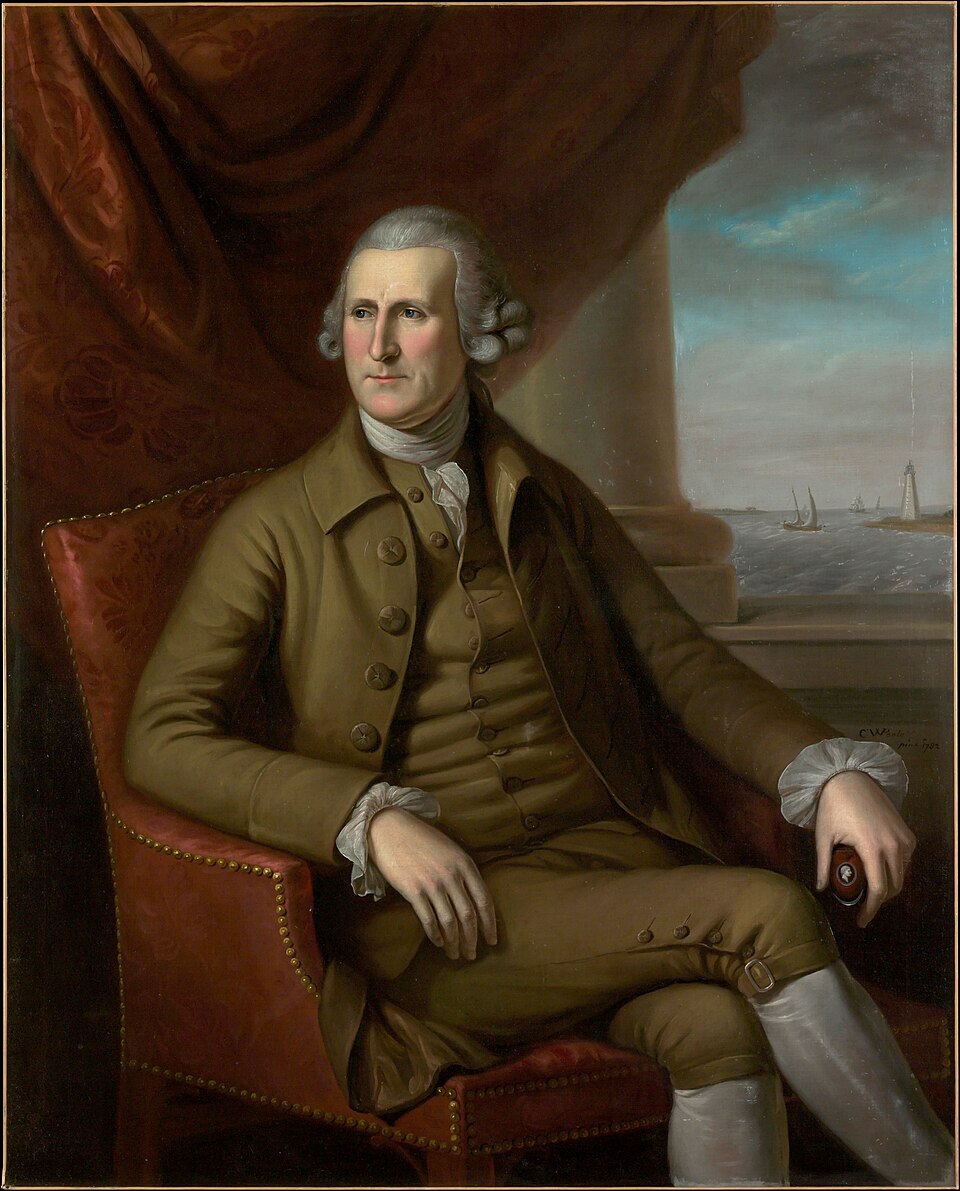
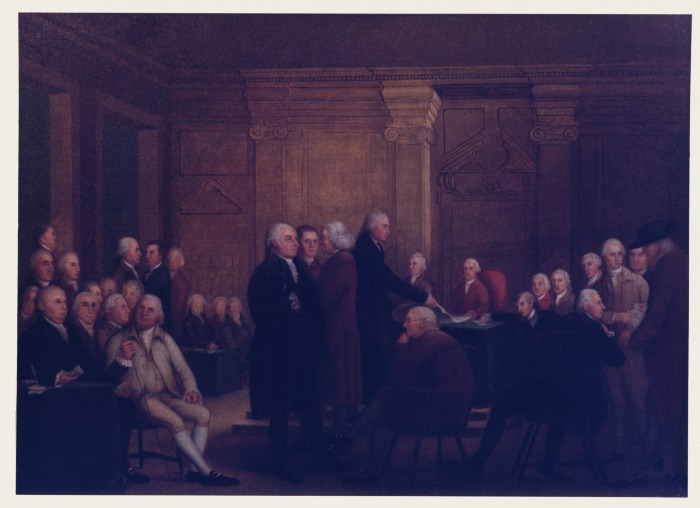
On July 1, 1776, at the Continental Congress being held in the stately building we now call Independence Hall, Pennsylvania delegate Thomas Willing cast a vote against independence.
It was a stifling and humid day, and the delegates had sequestered themselves in the elegant Assembly room with the windows shut so that no one could overhear their deliberations. The Congress was meeting as a “committee of the whole” to take a preliminary vote on the question of independence in advance of the official consideration. The matter was far from resolved. Opinions ranged from a passionate endorsement from figures such as John Adams and Thomas Jefferson to ambivalence and even to adamant resistance.
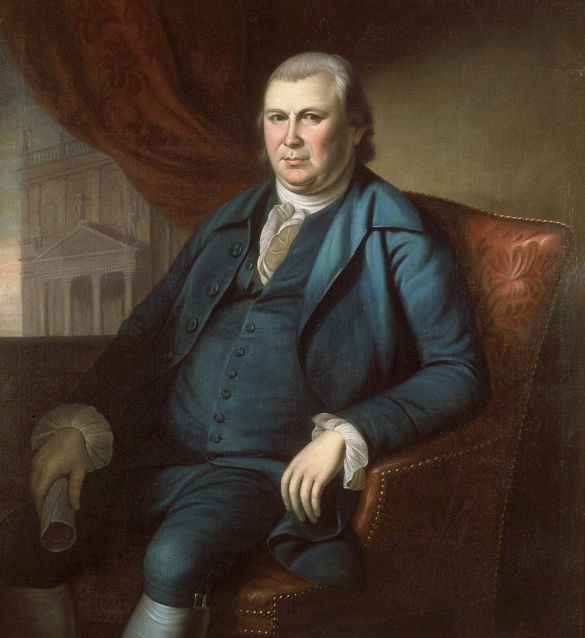
Willing, one of seven Pennsylvania delegates in attendance, was the very wealthy head of the state’s largest merchant trading firm and a towering presence – in Congress, in Pennsylvania, and in colonial life. Given his stature among Pennsylvania’s delegates, Willing’s influence helped sway their collective vote against independence, four to three. South Carolina joined Pennsylvania in voting no, Delaware’s delegation was locked in a tie, and New York abstained.
Although the measure had passed and the question of independence would now advance to the full Congress, delegates who supported the measure realized uneasily that only nine states had voted yes – and given Pennsylvania’s large size and its location as the geographic linchpin of the states, it was inconceivable to declare independence without it. The tension was magnified by the alarming news that a large British fleet had just arrived at New York, where General Washington’s army was camped.
The prospect of a stalemate loomed. As the delegates grappled with the outcome of the vote and scheduled the formal vote for the next day, the heat that had burdened them was pierced by a thunderstorm, portending an anxious evening of persuasion and debate.
Most likely, Benjamin Franklin did much of the persuading deep into that night, and specifically with Pennsylvania delegates John